
EXPERIENCE - UNDERSTAND - APPLY - ADAPT
Our methodology is based on the internationally renowned Co-active coaching model, Neuroscience and empirical based Leadership research.
We blend experiential learning, advanced coaching methods and Neuroscience insights, to create deep, practical learning experiences with lasting impact.
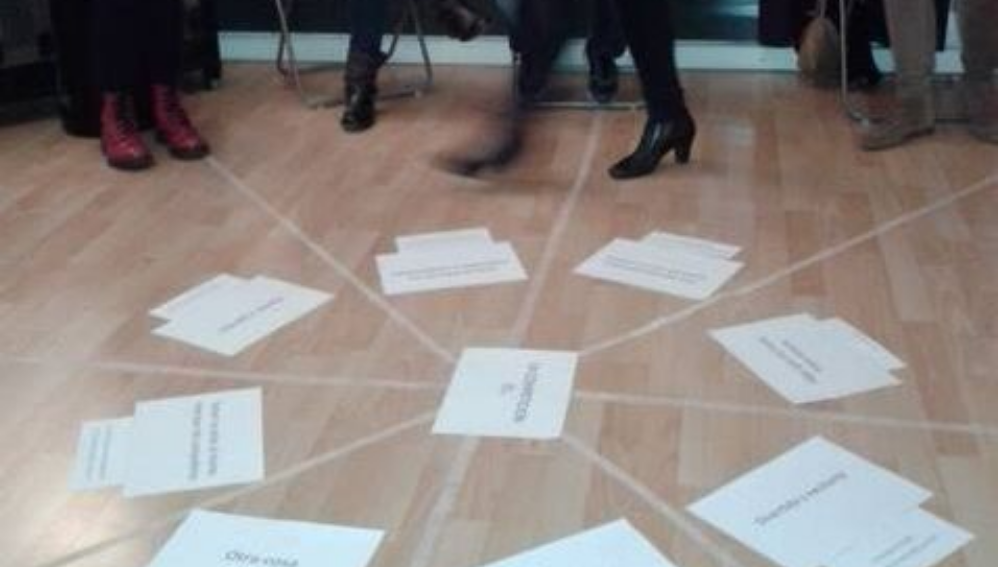
EXPERIENTIAL
Because our brain learns best when we experience something in our own skin. It’s also how we create insight required for lasting change.
NEUROSCIENCE
Because science helps us understand and make sense of what we have experienced. Even things that escape our logic.

MODELS & FRAMEWORKS
Because they make it easier to integrate, remember and apply what we have learned in our day to day.
We provide the space, structure and tools to unlock the potential and creativity of each person, group or team. Only then can real change happen.

SAFE ENVIRONMENT
Because an intentionally created safe learning environment based on non-judgment, respect and confidentiality is critical for learning and change to happen.

INTERACTION
Because a rich exchange of experiences, ideas and insights broadens our own thinking and viewpoints.

COMMITMENT
Because we are much more likely to follow through on making changes if we have previously committed to it.
What our clients says
Leadership Model
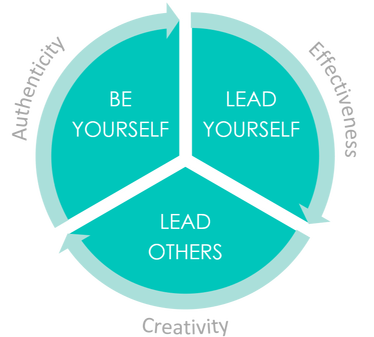
Be yourself – Authenticity
Effective Leadership means behaving and relating to others in authentic and courageous
ways. Personal authenticity is the key to inspire, influence and move others.
Lead yourself – Effectiveness
Effective Leadership begins with you. Self-leadership increases personal effectiveness and consists of developing more effective thinking habits (mindset), better ways of approaching things (attitude) and the ability to use emotions to our advantage.
Emotional Intelligence
Lead others – Creativity
Leading others requires a set of interpersonal skills that increases the productivity and well-being of individuals and teams. It requires improving the quality of our daily interactions and creating a growth promoting work environment , based on collaboration, motivation and commitment.
Social Intelligence
Systems Intelligence
Results
Be yourself
Authenticity
- Greater ability to influence, inspire and move others
- Increased self- confidence, transmitting more security and trust
- Increased capacity to communicate a clear vision and direction
- Greater capacity to defend difficult positions
- More skilled in dealing openly with business and relational problems
Lead yourself
Effectiveness
- Increased productivity, focus and dedication to strategic objectives
- More self-motivation and higher sense of well-being
- Greater capacity to deal with uncertainty and change
- More stress resilience and higher impulse control
- Better decisions making and problem solving
Lead others
Creativity
- More collaborative, motivated and committed teams
- Quality and growth promoting conversations
- Ability to turn conflict into opportunities for improvement
- Work environment of trust, inclusion and learning
- More productive and happy employees, higher talent retention
Team Model
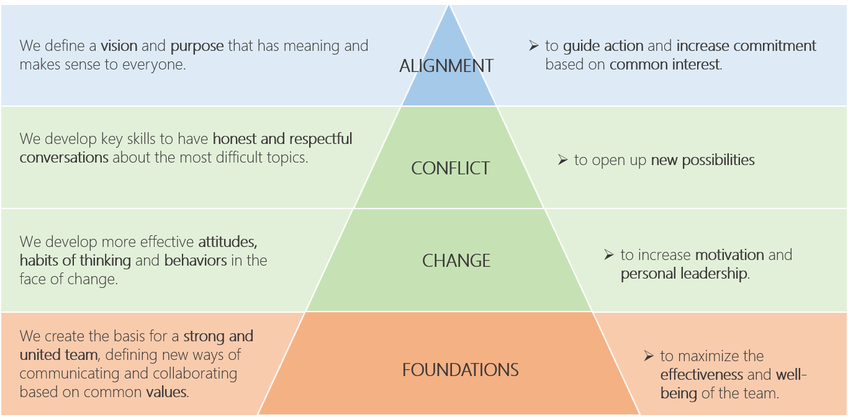
Results
- Effective and constructive communication
- Ability to turn conflict into opportunities
- High levels of motivation, commitment and collaboration
- Clarity about the roles within the team
- Better ideas and faster results
- Greater willingness to listen, reflect and adapt
- Greater focus, sense of belonging and trust
- Better decision making
- Higher alignment with goals and vision
- More effective ways of working together
Project Phases
We start all our projects by understanding the situation and the specific needs and objectives of the company, individual, group or team we will work with.
We do so in different ways, from one-on-one conversations, questionnaires to sophisticated assessment tools.
In group and team settings, we define the objectives, the type of service, number of sessions and types of tools and exercises we will use.
Individual coaching engagements are different. The specific approach and tools we use to reach the objective defined are chosen in the moment, depending on what will serve the client most at any given time.
We establish "checkpoints" throughout the processes, where we check in with our clients. This allows us to adapt our approaches or areas of focus as we progress, if necessary.
At the end of our engagements, we always evaluate the results obtained, either through a focused conversation or anonymous feedback formulars.

